The Circular Apparel Economy: Engineering for Longevity and Recyclability.
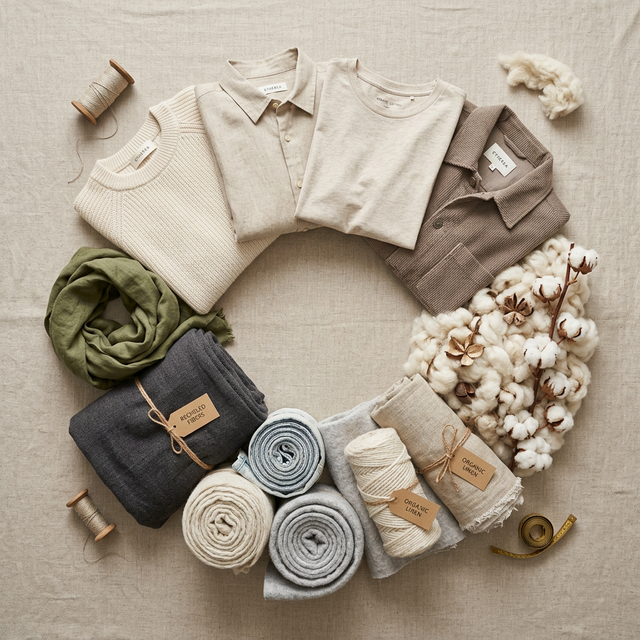
The shift from a 'Take-Make-Waste' linear model to a Circular Apparel Economy is the ultimate challenge for contemporary garment engineers. Circularity begins at the design stage, where we prioritize 'Design for Disassembly' and 'Mono-Materiality.' By using 100% single-fiber compositions—such as pure organic cotton without synthetic elastane—we ensure that a garment can be mechanically or chemically recycled back into high-quality yarn at the end of its life.
Longevity is the first pillar of circularity. Celebstitch focuses on superior seam construction and high-rub-count fabrics to ensure our garments stay in use longer. We are also implementing digital product passports (DPPs)—QR codes or NFC tags embedded in the care label that provide recyclers with exact fiber compositions and sourcing data. This transparency is crucial for the automated sorting systems that will define future recycling hubs. By choosing materials like recycled ocean plastics or regenerative agricultural fibers, we close the loop. Engineering a circular garment means looking beyond the first sale and taking technical responsibility for the product's entire lifecycle, from soil to stitch and back again.